
How does the Vagus nerve function?
As part of your nervous system, vagal nerves play an important role in involuntary sensory and motor functions, including:
The digestive process.
The heart rate, blood pressure, and respiration (breathing).
Responses of the immune system.
The mood.
Production of mucus and saliva.
Sensations of the skin and muscles.
The speech.
The taste.
Output of urine.
How does the parasympathetic nervous system work?
As opposed to the sympathetic nervous system’s “fight or flight” response, the parasympathetic nervous system controls “rest and digest” functions.
As opposed to the sympathetic nervous system’s “fight or flight” response, the parasympathetic nervous system controls “rest and digest” functions.
Your autonomic nervous system is made up of these two nervous systems. This system controls the involuntary functions of your body.
Physiology
What is the location of the vagus nerve?
You have two vagus nerves, one on each side of your body. The left vagus nerve travels down the left side of your body and the right vagus nerve travels down the right side.
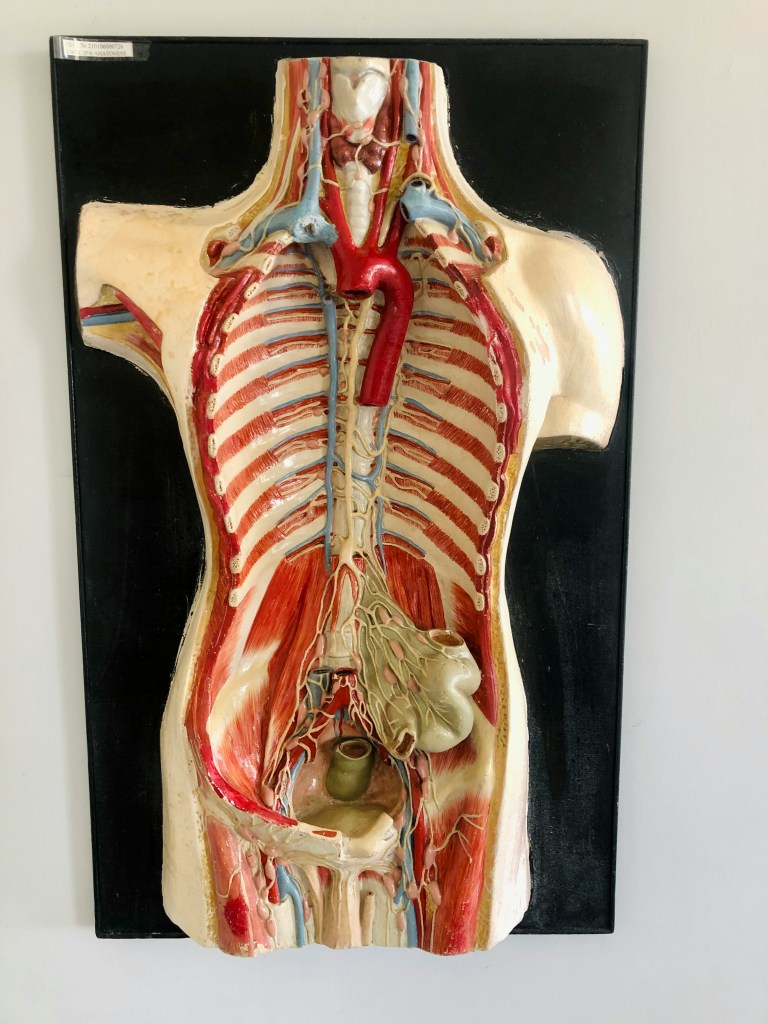
Vagus” means wandering in Latin. Your vagal nerves travel a long, winding route through your body. They exit the medulla oblongata in your lower brainstem and then pass through or connect with:
Carotid artery and jugular vein in the neck.
The chest (thorax).
The heart.
The lungs.
The abdomen and digestive system.
Vagal nerve branches: what are they?
A branch of the inferior ganglion that supplies nerves and muscles to the throat (pharynx) and voice box (larynx).
Your spine and ear are served by nerves in the superior ganglion branch.
Your heart, lungs, and esophagus (tube connecting your mouth and stomach) are served by the vagus nerve branch.
Disorders and Conditions
How are the vagal nerves affected by conditions and disorders?
These conditions can affect your vagus nerve:
Diabetes, viral infections, abdominal surgery and scleroderma can damage the vagal nerve, resulting in gastroparesis.
Syncope is another word for fainting. Vasovagal syncope occurs when the vagus nerve to the heart overreacts to extreme heat, anxiety, hunger, pain, or stress. An acute drop in blood pressure causes a feeling of dizziness or fainting (orthostatic hypotension).
It is possible for you to experience:
Bloating and abdominal pain.
Gastroesophageal reflux disease (GERD).
A change in heart rate, blood pressure, or blood sugar level.
Loss of gag reflex or difficulty swallowing.
Feeling dizzy or faint.
Voice loss, hoarseness, or wheezing.
Unexplained weight loss, loss of appetite, or feeling full quickly.
Vomiting and nausea.
How does vagus nerve stimulation work?
With special techniques of Reflexology Therapy, we can Manipulate and repair the Vagus Nerve again. Its another treatment that have results on a Holistic way. You will need several treatments , Once a week.
What are the symptoms of vagus nerve disorders?
To diagnose a vagal nerve problem, your healthcare provider may order one of these tests:
Check for intestinal blockages with a CT scan or MRI.
An echocardiogram is used to assess the health of the heart.
The gastric emptying solid study or smart pill (an electronic device you swallow) measures how quickly food moves through your stomach and into your intestines.
An upper endoscopy examines your upper digestive system.
How are vagus nerve disorders treated?
Gastroparesis can be treated with the following treatments:
Changes in diet.
Medications to ease nausea and abdominal pain, regulate blood sugar, and improve stomach emptying.
Nutrition is delivered to your bloodstream through feeding tubes.
Pressure in your stomach can be relieved by a gastrostomy.
Electric impulses are sent to muscles and nerves in the stomach to move food through the digestive tract.
Vasovagal syncope can be treated with:
Eating a high-salt diet.
Diuretics and other medicines that lower blood pressure should be stopped.
Taking medicines to increase sodium, fluid levels, and blood pressure, or to calm the nervous system.
Keeping your legs from pooling blood by wearing compression stockings.
Taking care of
What can I do to protect my vagal nerves?
You can keep your nervous system healthy by following these lifestyle changes:
Take part in physical activity.
Maintain a healthy diet.
Diabetes and high or low blood pressure can be managed.
Meditation, hypnotherapy, and yoga are all good techniques to practice.
What is the best time to see a doctor? A doctor can tell you if you suffer the damage Vagus nerve. And from there you can choose to treat it with Reflexology treatments.
If you experience the following symptoms, you should contact your healthcare provider:
abdomen Pain
Reflux of acid.
Speech or swallowing difficulties.
A fainting episode
Unexplained weight loss, nausea, or vomiting.
Your vagal nerves play a key role in managing involuntary functions like heart rate, breathing, and digestion. A damaged vagal nerve can cause digestive problems like gastroparesis.
 Reflexology Therapy LLC Anne Arundel MD USA