
You know: Foot zone Therapy provides, among other things, the production off: endorphins, oxytocin, serotonin. This has a positive influence on: sleep, mood, memory, self-confidence, emotions, sexual activity and appetite and processing pain. In the disturbed body area, the blood flow can be strongly consumed on the spot, up to 40%! (According to an American scientific study) Better blood circulation will better remove waste products and allow nutrients and oxygen better. .. followed by recovery.
Understanding Foot Reflexology Therapy: How Does It Compare To Traditional Medicine?
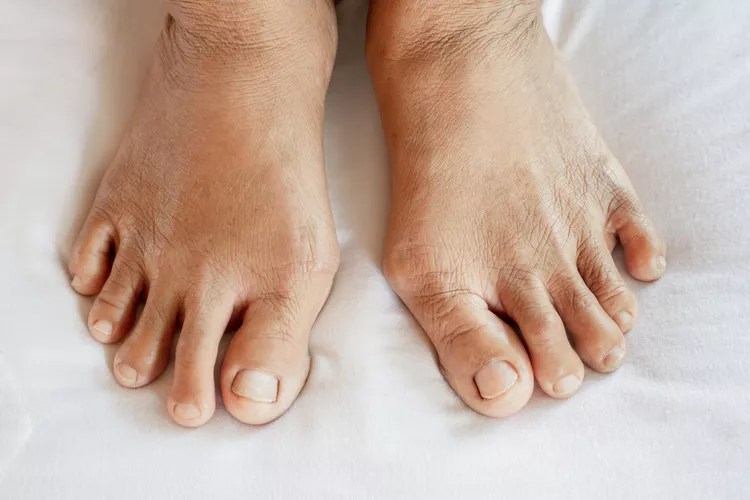
Are you looking for a natural and holistic approach to health care? Then look no further than foot reflexology therapy. This article will break down how it works, how it compares to traditional medicine, and how it can help keep your body healthy and strong. From the positive effects of pressure on specific points in the feet to the importance of combining healthy eating with reflexology – read on to find out more!
Introduction to Foot Reflexology Therapy
Benefits of Foot Reflexology Therapy
Comparison between Traditional Medicine and Foot Reflexology Therapy
What Should Be Avoided in Foot Reflexology Therapy?
How to Get the Most Out of Foot Reflexology Therapy?
Common Myths about Foot Reflexology Therapy
Conclusion
Are you looking for a natural and holistic approach to health care? Then look no further than foot reflexology therapy. This article will break down how it works, how it compares to traditional medicine, and how it can help keep your body healthy and strong. From the positive effects of pressure on specific points in the feet to the importance of combining healthy eating with reflexology – read on to find out more!
Introduction to Foot Reflexology.
Foot reflexology therapy is an ancient healing practice that has been used for centuries to promote wellness and treat various health conditions. The therapy involves applying pressure to specific points on the feet that correspond to different organs and systems in the body. This can help to improve circulation, relieve pain, and reduce stress.
While foot reflexology therapy is not a replacement for traditional medicine, it can be a complementary treatment option for many conditions. If you are interested in exploring this type of therapy, it is important to work with a qualified practitioner who can tailor the treatment to your specific needs.
Benefits of Foot Reflexology Therapy
There are many benefits of foot reflexology therapy. This type of therapy can help to improve circulation, reduce stress and tension, and promote relaxation. It can also help to relieve pain and discomfort from conditions such as arthritis, headaches, and menstrual cramps. In addition, foot reflexology therapy can help to improve sleep quality and reduce fatigue.
Comparison between Traditional Medicine and Holistic Healthcare.
There are many differences between traditional medicine and foot reflexology therapy. In traditional medicine, the focus is on treating the symptoms of a disease or condition. Foot reflexology therapy, on the other hand, focuses on stimulating the body’s own healing process. Traditional medicine often uses drugs to treat a condition, while foot reflexology therapy uses massage and pressure techniques to promote healing. Traditional medicine is usually focused on treating the immediate problem, while foot reflexology therapy is more concerned with long-term health and well-being.
What Should Be Avoided in Foot Reflexology Therapy?
Foot reflexology therapy is an alternative medical practice that has been used for centuries to treat a variety of ailments. The therapy involves applying pressure to specific points on the feet that correspond to different organs and systems in the body.
While foot reflexology therapy can be beneficial, there are certain things that should be avoided in order to get the most out of the therapy. Here are four things to avoid during foot reflexology therapy:
1. Avoid wearing shoes or socks during the session. This will ensure that the therapist can access all of the points on your feet and provide the best possible treatment.
2. Avoid using lotions or oils on your feet before the session. This can make it difficult for the therapist to work on your feet and could lead to an ineffective treatment.
3. Avoid eating a heavy meal before or immediately after your session. This can cause discomfort and may make it difficult for you to relax during the treatment.
4. Avoid drinking alcohol before or after your session. Alcohol can dehydrate your body and make it more difficult for you to relax during the treatment
How to Get the Most Out of Foot Reflexology Therapy?
There are a few things you can do to ensure you get the most out of your foot reflexology therapy session:
1. Make sure to find a qualified therapist who has experience in providing this type of therapy.
2. Be open and receptive to the therapy and what it can do for you.
3. Drink plenty of water before and after your session to help flush out toxins from your body.
4. Avoid wearing tight shoes or clothing that may constrict blood flow during your session.
5. Take some time to relax afterwards and give yourself time to absorb the benefits of the therapy.
Common Myths about Foot Reflexology Therapy
There are many misconceptions about foot reflexology therapy. Here are some of the most common myths:
1. Foot reflexology is a newfangled therapy. In fact, it is an ancient practice that has been used for centuries in many cultures.
2. Foot reflexology is only for people with foot problems. Anyone can benefit from this therapy, as it helps to promote overall health and wellbeing.
3. Foot reflexology is painful. While there may be some mild discomfort during the treatment, it is generally not painful.
4. Foot reflexology is only for relaxation. While it can be relaxing, this therapy also has many other benefits, such as reducing stress and pain, improving circulation and digestion, and boosting energy levels.
Conclusion
Foot reflexology therapy is an increasingly popular form of holistic health care that many people are turning to for relief from pain and other ailments. Through a variety of massage techniques, pressure points on the feet can be manipulated in order to provide healing benefits throughout the body. Although it may not replace traditional medicine completely, foot reflexology can certainly supplement it by providing non-invasive relief. With more research being conducted into its effectiveness, this ancient practice has shown great promise as a viable alternative treatment option for many individuals seeking natural healing.
<h1>Understanding Foot Reflexology Therapy: How Does It Compare To Traditional Medicine?</h1>
<p>Are you looking for a natural and holistic approach to health care? Then look no further than foot reflexology therapy. This article will break down how it works, how it compares to traditional medicine, and how it can help keep your body healthy and strong. From the positive effects of pressure on specific points in the feet to the importance of combining healthy eating with reflexology – read on to find out more!
Is there a way to take care of your body naturally and safely? Learn all about foot reflexology therapy in this blog article and how it compares to traditional medicine. Find out what the benefits are, how it works, and if it is an effective alternative to more conventional health care treatments.
With the ever-growing popularity of alternative medicine, understanding the differences between traditional medicine and foot reflexology therapy can be a daunting task. In this article, we’ll explore what exactly foot reflexology therapy is, how it compares to traditional medicine, and the potential benefits that come with embracing this natural healing practice. Read on to learn more about this ancient art and its potential for improving your health.</p>
<h2>Introduction to Foot Reflexology Therapy</h2>
<p>Foot reflexology therapy is an ancient healing practice that has been used for centuries to promote wellness and treat various health conditions. The therapy involves applying pressure to specific points on the feet that correspond to different organs and systems in the body. This can help to improve circulation, relieve pain, and reduce stress.
While foot reflexology therapy is not a replacement for traditional medicine, it can be a complementary treatment option for many conditions. If you are interested in exploring this type of therapy, it is important to work with a qualified practitioner who can tailor the treatment to your specific needs.</p>
<h2>Benefits of Foot Reflexology Therapy</h2>
<p>There are many benefits of foot reflexology therapy. This type of therapy can help to improve circulation, reduce stress and tension, and promote relaxation. It can also help to relieve pain and discomfort from conditions such as arthritis, headaches, and menstrual cramps. In addition, foot reflexology therapy can help to improve sleep quality and reduce fatigue.</p>
<h2>Comparison between Traditional Medicine and Foot Reflexology Therapy</h2>
<p>There are many differences between traditional medicine and foot reflexology therapy. In traditional medicine, the focus is on treating the symptoms of a disease or condition. Foot reflexology therapy, on the other hand, focuses on stimulating the body’s own healing process. Traditional medicine often uses drugs to treat a condition, while foot reflexology therapy uses massage and pressure techniques to promote healing. Traditional medicine is usually focused on treating the immediate problem, while foot reflexology therapy is more concerned with long-term health and well-being.</p>
<h2>What Should Be Avoided in Foot Reflexology Therapy?</h2>
<p>Foot reflexology therapy is an alternative medical practice that has been used for centuries to treat a variety of ailments. The therapy involves applying pressure to specific points on the feet that correspond to different organs and systems in the body.
While foot reflexology therapy can be beneficial, there are certain things that should be avoided in order to get the most out of the therapy. Here are four things to avoid during foot reflexology therapy:
1. Avoid wearing shoes or socks during the session. This will ensure that the therapist can access all of the points on your feet and provide the best possible treatment.
2. Avoid using lotions or oils on your feet before the session. This can make it difficult for the therapist to work on your feet and could lead to an ineffective treatment.
3. Avoid eating a heavy meal before or immediately after your session. This can cause discomfort and may make it difficult for you to relax during the treatment.
4. Avoid drinking alcohol before or after your session. Alcohol can dehydrate your body and make it more difficult for you to relax during the treatment</p>
<h2>How to Get the Most Out of Foot Reflexology Therapy?</h2>
<p>There are a few things you can do to ensure you get the most out of your foot reflexology therapy session:
1. Make sure to find a qualified therapist who has experience in providing this type of therapy.
2. Be open and receptive to the therapy and what it can do for you.
3. Drink plenty of water before and after your session to help flush out toxins from your body.
4. Avoid wearing tight shoes or clothing that may constrict blood flow during your session.
5. Take some time to relax afterwards and give yourself time to absorb the benefits of the therapy.</p>
1. Foot reflexology is a newfangled therapy. In fact, it is an ancient practice that has been used for centuries in many cultures.
2. Foot reflexology is only for people with foot problems. Anyone can benefit from this therapy, as it helps to promote overall health and wellbeing.
3. Foot reflexology is painful. While there may be some mild discomfort during the treatment, it is generally not painful.
4. Foot reflexology is only for relaxation. While it can be relaxing, this therapy also has many other benefits, such as reducing stress and pain, improving circulation and digestion, and boosting energy levels.
There are many myths about foot reflexology therapy that can make people hesitant to try it. Here are some of the most common myths about this therapy:
1. Foot reflexology is not supported by science.
Many people believe that foot reflexology is not supported by science, but this is not true. There is a growing body of scientific evidence that supports the efficacy of foot reflexology for various conditions.
2. Foot reflexology is only for relaxation.
While foot reflexology can be very relaxing, it is also used to treat various health conditions. Reflexologists use different techniques depending on the condition being treated.
3. Foot reflexology is painful.
Reflexologists use pressure and massage techniques on the feet, but they avoid causing pain. If you do experience any pain during a session, let your reflexologist know so they can adjust their techniques.
4. Foot reflexology can be dangerous.
Foot reflexology is generally safe, but it’s always important to consult with your doctor before starting any new therapy, especially if you have underlying health conditions.</p>
<h2>Conclusion</h2>
<p>Foot reflexology therapy is an increasingly popular form of holistic health care that many people are turning to for relief from pain and other ailments. Through a variety of massage techniques, pressure points on the feet can be manipulated in order to provide healing benefits throughout the body. Although it may not replace traditional medicine completely, foot reflexology can certainly supplement it by providing non-invasive relief. With more research being conducted into its effectiveness, this ancient practice has shown great promise as a viable alternative treatment option for many individuals seeking natural healing.</p>
Enemies of our Health
We’re all familiar with the dangers of smoking, obesity and lack of exercise – but what about all the other enemies of our health? In this blog post, we’ll be taking a closer look at some of the lesser-known threats to our wellbeing. From air pollution to cancer-causing chemicals, we’ll explore how they can impact our mental and physical health – and what we can do to reduce their potential harms. Come along as we uncover some of the most dangerous foes of our health, and discover how you can protect yourself (and your loved ones) from their effects.
What are the enemies of our health?
There are many enemies of our health, but some of the most common ones are poor diet, lack of exercise, and stress. These three factors can lead to a number of health problems, including obesity, heart disease, and high blood pressure. By making small changes in our lifestyle, we can make a big difference in our overall health.
How do they impact our health?
There are many things that can impact our health negatively. Poor diet, lack of exercise, and smoking are just a few. However, there are also many invisible enemies of our health. Things like stress, pollution, and toxins can all take their toll on our bodies without us even realizing it. Over time, these invisible enemies can lead to serious health problems like heart disease, cancer, and stroke. That’s why it’s important to be aware of them and take steps to reduce their impact on our health.
How can we protect ourselves from them?
There are many ways to protect ourselves from the enemies of our health. Some simple tips include:
-Washing our hands regularly and thoroughly, especially before we eat
-Keeping our food clean and free from contaminants
-Staying hydrated by drinking plenty of fluids
-Exercising regularly to boost our immune system
-Getting enough sleep to rested and rejuvenated
Conclusion
It is clear from this discussion that our health is under attack from many different sources. From environmental toxins, to processed foods and bad habits, every day brings new challenges that can take a toll on our bodies and minds. Fortunately, we have the power to combat these enemies of our health by making small changes in our lifestyle such as eating healthier meals, getting plenty of rest and exercise, avoiding harmful substances like alcohol and smoking, and reducing stress levels. With dedication and commitment to a healthy routine we can start taking back control of our own well-being today!
Enhancing Reflexology with Cupping: The Perfect Supplement for Holistic Healing
Welcome to our website: Foot Reflexology Therapy, where we delve into the world of holistic healing and explore innovative ways to enhance your well-being. Today, we are excited to introduce you to a powerful combination that takes reflexology to a whole new level – cupping! Imagine amplifying the benefits of this ancient practice by incorporating the ancient art of cupping, creating a harmonious synergy that addresses not only your physical ailments but also rejuvenates your mind and soul. Get ready for an enlightening journey as we uncover how enhancing reflexology with cupping can unlock profound healing potentials within you.
Reflexology and cupping are two ancient healing practices that have been used for centuries in different cultures around the world. Both techniques involve applying pressure to specific points on the body to stimulate healing and improve overall well-being. In recent years, these practices have gained popularity in the Western world as complementary therapies for various health conditions.
Cupping is a therapeutic technique that has been used for thousands of years in traditional Chinese medicine (TCM) to promote healing and overall well-being. It involves placing glass, silicone, or plastic cups on the skin and creating a vacuum by either heating the air inside the cup or using a suction pump. This suction creates a negative pressure, which draws the skin and superficial muscle layer into the cup.
The origins of cupping can be traced back to ancient Egypt, Greece, and China. Its primary purpose was to balance the flow of energy or qi within the body and to remove unhealthy elements that may be causing illness or pain. In TCM theory, it is believed that stagnation or blockages in the body’s meridian system can lead to various health issues, and cupping aims to restore balance in this system.
There are two main types of cupping: dry cupping and wet cupping. Dry cupping involves only creating a suction without any incisions in the skin, while wet cupping involves making tiny cuts on the skin before applying cups to draw out small amounts of blood.
Traditionally, heated glass cups were used for dry cupping by inserting a flame briefly into the cups before placing them on specific points along meridians or acupuncture points. However, modern practitioners now also use silicone or plastic cups with built-in pumps for better control over suction levels.
The placement of cups during a session depends on each individual’s specific needs and concerns. Cups can be placed along.
Cupping and reflexology are both ancient healing practices that have been used for centuries to improve overall health and well-being. While they may seem like separate techniques, when combined, they can enhance the benefits of each other and provide a more comprehensive approach to holistic healing. In this section, we will explore how cupping enhances reflexology and why it is the perfect supplement for achieving optimal health.
- Improves Blood Circulation:
One of the key benefits of cupping is its ability to improve blood circulation. The suction created by cups helps to increase blood flow to the areas where they are placed. This increased blood flow brings fresh oxygen and important nutrients to the cells, while also removing waste products from the body. This enhanced circulation not only promotes faster healing but also stimulates the nerve endings in our feet, which are connected to different organs and systems in our body according to reflexology theory.
When combined with reflexology, cupping can help stimulate specific pressure points on our feet that correspond with different organs or areas of concern in our body. This dual approach works together to bring about a deeper level of healing throughout the entire body.
- Relieves Tension and Pain:
Cupping is known for its ability to release tension in muscles and tissues by creating negative pressure on the skin’s surface. As a result, it helps alleviate pain caused by tight muscles or injuries. Similarly, reflexology also targets specific pressure points on our feet that correlate with different parts of our body.
The suction created by cupping pulls stagnant blood from deep within the tissues towards the surface of the skin. This promotes fresh oxygenated blood to rush in, delivering vital nutrients and removing waste products from cells. As a result, this process helps to improve circulation not just in targeted areas but throughout the entire body.
Furthermore, when cups are placed on reflexology points, they work together with reflexology techniques to stimulate nerve endings more deeply. This increased stimulation can help boost energy levels while also promoting relaxation.
One significant benefit of combining reflexology and cupping is their ability to remove toxins from the body. Toxins can accumulate in our bodies due to various factors such as stress, pollution, poor diet, and lifestyle choices. These toxins can negatively affect our physical and mental health, leading to symptoms like fatigue, headaches, digestive issues, skin problems, and more. Therefore, it is crucial to regularly detoxify our bodies to maintain optimal health.
Cupping therapy is known for its remarkable ability to draw out impurities from deep within the tissues through the creation of suction on specific acupressure points or meridians. The cups act as a vacuum that pulls stagnant blood and other fluids towards the surface of the skin where they can be easily eliminated by the lymphatic system.
When combined with reflexology, this detoxifying effect is enhanced even further. Reflexology works by targeting specific reflex points on the feet that correspond to different organs and systems in the body. By applying pressure to these points, reflexologists believe they can stimulate energy flow throughout the body and encourage natural healing processes.
Do you Know Or… Want to know?
Enemies of our Health
We’re all familiar with the dangers of smoking, obesity and lack of exercise – but what about all the other enemies of our health? In this blog post, we’ll be taking a closer look at some of the lesser-known threats to our wellbeing. From air pollution to cancer-causing chemicals, we’ll explore how they can impact our mental and physical health – and what we can do to reduce their potential harms. Come along as we uncover some of the most dangerous foes of our health and discover how you can protect yourself (and your loved ones) from their effects.
What are the enemies of our health?
There are many enemies of our health, but some of the most common ones are poor diet, lack of exercise, and stress. These three factors can lead to a number of health problems, including obesity, heart disease, and high blood pressure. By making small changes in our lifestyle, we can make a big difference in our overall health.
How do they impact our health?
There are many things that can impact our health negatively. Poor diet, lack of exercise, and smoking are just a few. However, there are also many invisible enemies of our health. Things like stress, pollution, and toxins can all take their toll on our bodies without us even realizing it. Over time, these invisible enemies can lead to serious health problems like heart disease, cancer, and stroke. That’s why it’s important to be aware of them and take steps to reduce their impact on our health.
How can we protect ourselves from them?
There are many ways to protect ourselves from the enemies of our health. Some simple tips include:
-Washing our hands regularly and thoroughly, especially before we eat
-Keeping our food clean and free from contaminants
-Staying hydrated by drinking plenty of fluids
-Exercising regularly to boost our immune system
-Getting enough sleep to rested and rejuvenate
Why you sleep worse in winter?
Tips for sleeping in winter:
It’s cold and inclement outside and that has an impact on your night’s sleep. Why do you sleep worse in winter? And how do you boost your sleep?
Do you sleep worse once winter has started? You’re not the only one! Winter comes with cold and rain and then it gets dark much faster. As a result, we go outside less and we catch less daylight, two things that have an impact on your night’s sleep. What to do?
You can express the amount of light in lux. A normal summer day has about 10,000 lux, while in winter it is sometimes only 1,000 lux. Where it is very easy to take in enough light in the summer, this is a lot more difficult in the winter with those short, dark days.
GO OUTSIDE!
Due to the shortage of daylight, your biological clock falters and your sleep rhythm gets confused. For example, it often takes longer before you fall asleep, while in winter you are more tired during the day. It therefore helps enormously if you make sure that you do go outside during the day. On cold and bad weather you can dress. Just a walk during your lunch break provides a dose of that much-needed daylight. Every day 15 to 30 minutes outside already makes a difference, Do this between 11 a.m. and 3 p.m.
DAYLIGHT LAMP
Sleep deprivation has several negative effects. Not only are you tired and physically deteriorating, too little sleep also affects your cognitive functions. such as concentration and memory. And we’re not even talking about your mood. That can really suffer from lack of sleep and lack of daylight. before you know it, you’ll be worrying all night. A daylight lamp can offer a solution if you suffer from a shortage of daylight, and you are unable to go outside enough. Such a lamp has a light intensity of about 10.000 lux, which is comparable to direct sunlight.
REGULARITY
In any case, try to have a fixed bedtime (preferably earlier than in the summer), even if you lie awake a little longer than usual. “If you don’t sleep, you’re still resting”, your mother probably used to say, and although rest is not the same as sleep, there is a grain of ruth in it. It is a comforting thought: even if you do not fall asleep, you will rest. This helps you relax physically and mentally, creating the right conditions to actually sleep. Are you still awake after 15 minutes? Then get out of bed and do something relaxing, such as yoga, meditation or mindfulness. or use the pineal gland reflex pressure point, for activation of melatonin. It alo seems to help to lie down in an uncomfortable place such as a cold couch. This increases the need for sleep.
Another tip: make sure your feet are warm, because cold feet make it harder to fall asleep. Wear special sleeping socks, use a hot water bottle or a foot blanket if you regularly lie in bed with too cold feet.
WHAT NOT TO DO:
Even if you lie awake: your bed is only for sleeping. It’s not a place to watch an (exciting) movie or play games on your phone. Turn off that phone completely and make sure your bedroom is dark. Do not drink coffee or alcohol before bed. A cup of chamomile tea can actually help you sleep well.
AWAKE ON TIME
A fixed sleep rhythm also includes a fixed time to get up. Don’t just use that time during the week, but preferably also during the weekend. Do you have trouble falling asleep, but do you only get out of bed in the morning with pain and difficulty? Then it is not strange with those darker winter mornings. As long as it remains dark, the brain produces the sleep hormone melatonin, making it extra difficult to get up. A light alarm clock can help your body ome out of that sleep mode.
KEEP NICE MOVING!
In addition, try to keep moving, even if it is much more tempting to play Netflix under a blanket on the couch. Enough exercise will help you fall asleep better at night and wake up with more energy in the morning. Do not exercise right before going to bed, as this will only make it more difficult to fall asleep.
Finally: A snotty head doesn’t help either. This is now how you make sure you sleep well when you have a cold.
When you have a bad cold, it can be difficult to fall asleep. A stuffy nose, a sore throat and a lot of coughing is not very conducive to a good night’s sleep. Get your beauty sleep with these nine tips.
- Use a humidifier: Dry air is very annoying when you have a cold. Therefore, use a humidifier in your bedroom at night. The steam helps against congestion and moistens your nasal passages. In addition, it helps you breathe, soothes a sore throat and soothes the irritated tissues in your nose. Do clean the humidifier regularly: this way you prevent the spread of bacteria.
- Take a shower before going to bed. If you have a cold, take advantage of the steam from a warm shower before going to sleep. This makes breathing easier. You can also run the shower and sit in the steamy bathroom with the door closed (sprinkle some eucalyptus drops on the wall) or hang over a sink with running hot water.
- This relieves congestion and opens the nasal passages. I’m very against nasal sprays, it can damage your nasal passages. You can even become addicted to nasal sprays through the drug xylometazoline.
- Take care of your sore throat, gargling with salt water, and with some mouthwash will also help and clean your throat from bacteria for a quick relief.
- If you have a sore throat and fever for more then two days, contact your doctor. Especially if you don’t hae the typical sympoms of a cold like nasal congestion and sneezing. It could also be a streptococcal infection.
- Use some drops on a tissue with eucalyptus instead of nasal strips. keep it under your nose and breath it in.
- Apply menthol ointment to your chest. Reduce cough by rubbing a menthol ointment on your chest and throat. This ointment also keeps your nostrils open during the night due to the strong mint scent. Do not eat the ointment or put it in your nose. Never use it on children under two years of age. They ay experience respiratory arrest due to the strong smell. There is a special baby variant available without menthol. You can use this from six months.
- Raise the head of your bed, you may have heard that your sinuses empty more easily if you stuff a lot of pillows under your head. However, doctors say this is not a good idea as it unnaturally bends the neck and can make breathing difficult.
- Stay in your rhythm, A cold can disrupt your normal day and night schedule but get up and go to bed at the same times as usual. Sticking to a sleep schedule will not only make it easier for you to fall asleep, it will also help you fight the next cold. One study suggests that sleep-deprived people are three times more likely to catch a cold than those who sleep eight or more hours a night.
 Thank you for reading,
Lisette
Understanding Foot Reflexology Therapy: How Does It Compare To Traditional Medicine?
Are you looking for a natural and holistic approach to health care? Then look no further than foot reflexology therapy. This article will break down how it works, how it compares to traditional medicine, and how it can help keep your body healthy and strong. From the positive effects of pressure on specific points in the feet to the importance of combining healthy eating with reflexology – read on to find out more!
Introduction to Foot Reflexology Therapy
Benefits of Foot Reflexology Therapy
Comparison between Traditional Medicine and Foot Reflexology Therapy
What Should Be Avoided in Foot Reflexology Therapy?
How to Get the Most Out of Foot Reflexology Therapy?
Common Myths about Foot Reflexology Therapy
Conclusion
Are you looking for a natural and holistic approach to health care? Then look no further than foot reflexology therapy. This article will break down how it works, how it compares to traditional medicine, and how it can help keep your body healthy and strong. From the positive effects of pressure on specific points in the feet to the importance of combining healthy eating with reflexology – read on to find out more!
Introduction to Foot Reflexology.
Foot reflexology therapy is an ancient healing practice that has been used for centuries to promote wellness and treat various health conditions. The therapy involves applying pressure to specific points on the feet that correspond to different organs and systems in the body. This can help to improve circulation, relieve pain, and reduce stress.
While foot reflexology therapy is not a replacement for traditional medicine, it can be a complementary treatment option for many conditions. If you are interested in exploring this type of therapy, it is important to work with a qualified practitioner who can tailor the treatment to your specific needs.
Benefits of Foot Reflexology Therapy
There are many benefits of foot reflexology therapy. This type of therapy can help to improve circulation, reduce stress and tension, and promote relaxation. It can also help to relieve pain and discomfort from conditions such as arthritis, headaches, and menstrual cramps. In addition, foot reflexology therapy can help to improve sleep quality and reduce fatigue.
Comparison between Traditional Medicine and Holistic Healthcare.
There are many differences between traditional medicine and foot reflexology therapy. In traditional medicine, the focus is on treating the symptoms of a disease or condition. Foot reflexology therapy, on the other hand, focuses on stimulating the body’s own healing process. Traditional medicine often uses drugs to treat a condition, while foot reflexology therapy uses massage and pressure techniques to promote healing. Traditional medicine is usually focused on treating the immediate problem, while foot reflexology therapy is more concerned with long-term health and well-being.
What Should Be Avoided in Foot Reflexology Therapy?
Foot reflexology therapy is an alternative medical practice that has been used for centuries to treat a variety of ailments. The therapy involves applying pressure to specific points on the feet that correspond to different organs and systems in the body.
While foot reflexology therapy can be beneficial, there are certain things that should be avoided in order to get the most out of the therapy. Here are four things to avoid during foot reflexology therapy:
1. Avoid wearing shoes or socks during the session. This will ensure that the therapist can access all of the points on your feet and provide the best possible treatment.
2. Avoid using lotions or oils on your feet before the session. This can make it difficult for the therapist to work on your feet and could lead to an ineffective treatment.
3. Avoid eating a heavy meal before or immediately after your session. This can cause discomfort and may make it difficult for you to relax during the treatment.
4. Avoid drinking alcohol before or after your session. Alcohol can dehydrate your body and make it more difficult for you to relax during the treatment
How to Get the Most Out of Foot Reflexology Therapy?
There are a few things you can do to ensure you get the most out of your foot reflexology therapy session:
1. Make sure to find a qualified therapist who has experience in providing this type of therapy.
2. Be open and receptive to the therapy and what it can do for you.
3. Drink plenty of water before and after your session to help flush out toxins from your body.
4. Avoid wearing tight shoes or clothing that may constrict blood flow during your session.
5. Take some time to relax afterwards and give yourself time to absorb the benefits of the therapy.
Common Myths about Foot Reflexology Therapy
There are many misconceptions about foot reflexology therapy. Here are some of the most common myths:
1. Foot reflexology is a newfangled therapy. In fact, it is an ancient practice that has been used for centuries in many cultures.
2. Foot reflexology is only for people with foot problems. Anyone can benefit from this therapy, as it helps to promote overall health and wellbeing.
3. Foot reflexology is painful. While there may be some mild discomfort during the treatment, it is generally not painful.
4. Foot reflexology is only for relaxation. While it can be relaxing, this therapy also has many other benefits, such as reducing stress and pain, improving circulation and digestion, and boosting energy levels.
Conclusion
Foot reflexology therapy is an increasingly popular form of holistic health care that many people are turning to for relief from pain and other ailments. Through a variety of massage techniques, pressure points on the feet can be manipulated in order to provide healing benefits throughout the body. Although it may not replace traditional medicine completely, foot reflexology can certainly supplement it by providing non-invasive relief. With more research being conducted into its effectiveness, this ancient practice has shown great promise as a viable alternative treatment option for many individuals seeking natural healing.
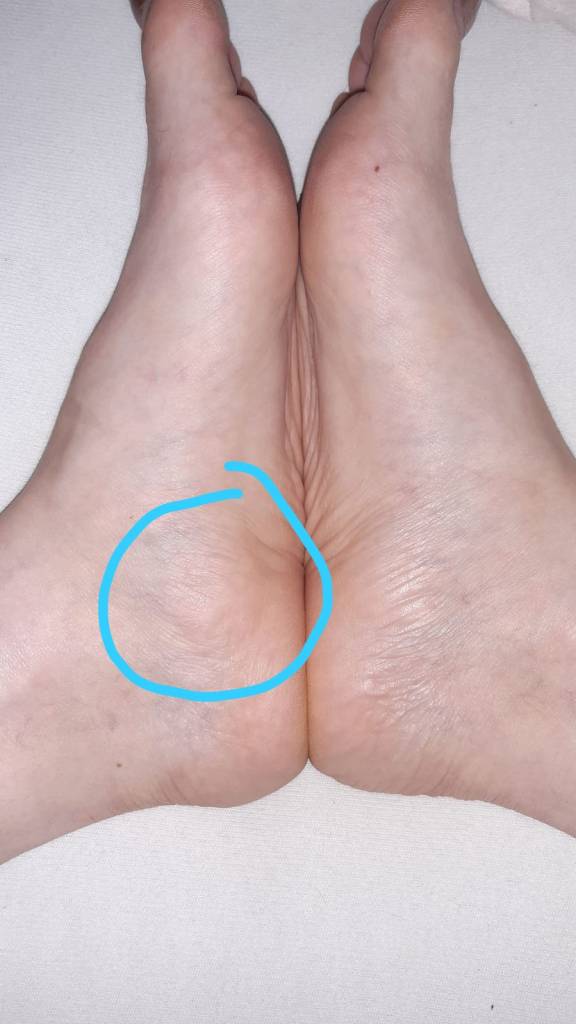
When you shouldn’t have Reflexology?

Even Reflexology is an extremely safe healing practice, be aware of a few contraindications or times when reflexology might not be a wise choice.
Foot Injuries
Patients with foot fractures, unhealed wounds, or active gout in the foot should avoid reflexology. Patients with osteoarthritis that impacts the foot or ankle, or those with vascular disease of the legs or feet, should consult with their primary provider prior to beginning reflexology on the feet. You van, however, still get reflexology treatment on your hands and ears.
Pregnancy
for women in early pregnancy (the first 6 weeks), the reflexology session is altered by treating the uterine and ovarian reflex points more gently or by avoiding them altogether. In general, caution should be exercised during pregnancy because of reports that stimulation my cause contractions.
Blood Clotting Issues
Clients who report current thrombosis or embolism (which is an obstruction of the pulmonary artery or…
View original post 64 more words
I never knew what my feet could do for my body.
I like to walk a lot on high heels when I was younger. Now I’m so happy that I didn’t do this to much and have listen always to my feet. When it is hurting me, I just took care not to walk to long distances on it. My one and only bunion is hardly noticeable. And now as a Reflexologist I’m certainly trying to avoid the high heels as much as possible. I have not yet worn them for this whole year. So, I think I do quite well. Did you know that your feet can make 150 different movements, just to adjust to the shoes you are wearing.? When I hear somebody saying ” my new shoes have to ” walked in” it hurt always in the beginning with my new shoes. OMG…… Please, reconsider to take shoes what fit your feet!! you will have more physical complains than you like …… Yeh, I love my body and my health too much to press my feet in some shoes what my natural position of my feet will change an also my health. Since we are wearing shoes, the feet problems were born with it. Watch your feet please and take care.
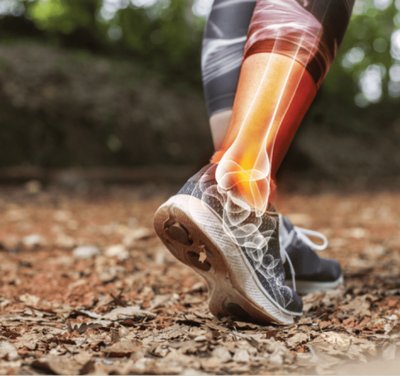
When shouldn’t you have Reflexology?
Even Reflexology is an extremely safe healing practice, be aware of a few contraindications or times when reflexology might not be a wise choice.
Foot Injuries: Patients with foot fractures, unhealed wounds, or active gout in the foot should avoid reflexology. Patients with osteoarthritis that impacts the foot or ankle, or those with vascular disease of the legs or feet, should consult with their primary provider prior to beginning reflexology on the feet. You van, however, still get reflexology treatment on your hands and ears.
Pregnancy: For women in early pregnancy (the first 6 weeks), the reflexology session is altered by treating the uterine and ovarian reflex points more gently or by avoiding them altogether. In general, caution should be exercised during pregnancy because of reports that stimulation may cause contractions.
Blood Clotting Issues: Clients who report current thrombosis or embolism (which is an obstruction of the pulmonary artery or a branch of it by free floating blood clot or embolus) should not receive reflexology therapy, since reflexology improves circulation, it could potentially cause a clot to move towards the heart or brain. The same when someone is intoxicated, Alcohol and Reflexology is a bad combination and can contribute to blood clotting.
In General, I will use always plastic gloves. for safety and special for Risks of Covid. Further for stay away from open wounds, or not to treat areas that are compromised.
 Reflexology Therapy LLC Anne Arundel MD USA